Maritime communications

Keeping ships, fleets and crews connected across oceans and coastal waters through dependable satellite communication services.

Life at sea

Connectivity that travels with the vessel

Ships rely on satellite communications for day-to-day operations, navigation, safety and crew welfare. Once a vessel leaves coastal range, satellite is often the only way to stay in contact.

Europasat backs the companies that deliver maritime satellite services, so the operators they serve can keep vessels connected wherever they sail.

  • Voice and data connectivity for vessels at sea
  • Support for commercial fleets and their operators
  • Service delivery across regions and ocean routes
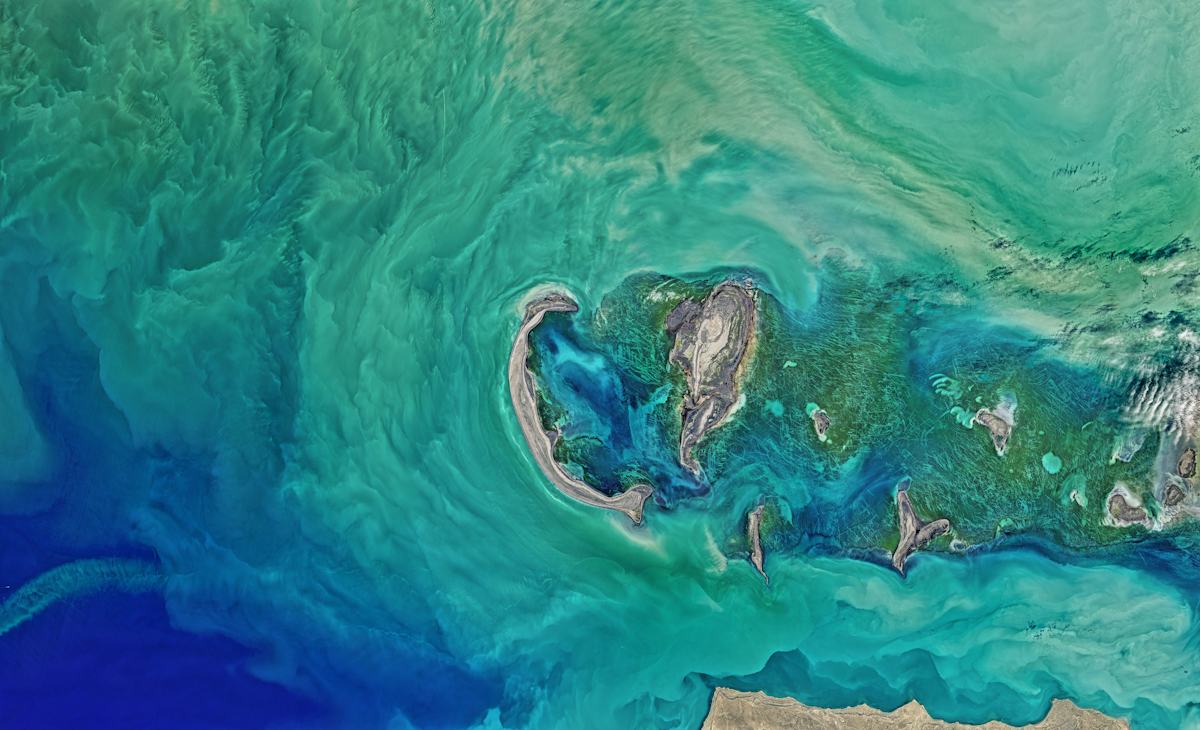
Satellite image of turquoise coastal waters
Our role

Our part in keeping vessels connected

A vessel's connectivity depends on far more than the antenna on deck. Europasat handles the operational work in the background, so maritime services stay reliable from port to open water.

Maritime satellite services typically combine L-band mobile satellite links for safety and low-rate data with Ku- and Ka-band VSAT for high-throughput broadband, using stabilised antennas that keep tracking the satellite as the vessel pitches and rolls. Distress and safety communications are framed by the International Maritime Organization’s Global Maritime Distress and Safety System (GMDSS).

  • Coordinates service delivery for vessels operating in European waters
  • Supports fleet operators through onboarding and service changes
  • Monitors service performance to keep vessels connected at sea
  • Handles the regulatory requirements of operating across borders
Aerial view of a container ship at sea
What it supports

Built around the needs of vessels and crews

Maritime satellite services support every part of life on board, from the bridge to the crew mess.

01

Vessel operations

Ka-band Global Xpress carries ship-to-shore data, with an onboard network service device managing traffic.

02

Crew connectivity

Managed crew internet and calling routed over the ship’s Fleet Xpress link.

03

Safety communications

L-band services built to meet GMDSS requirements for distress and safety calls.

04

Fleet management

SLA-backed committed information rate keeps fleet monitoring data flowing to shore.

05

Beyond the coast

Geostationary Ka-band beams cover open ocean, with traffic handed between spot beams and satellites.

06

Onboard continuity

Ka-band is primary; the terminal switches automatically to L-band backup if the signal degrades.

Explore further

Other sectors we support

Get in touch

Talk to our team

Run a fleet, or supply services to one? Talk to us about keeping your vessels connected.